
Enterprise Solutions

5 Ways in Which the Healthcare Sector’s Reliance on Legacy Systems Is Hurting Them

The healthcare industry has experienced a host of unprecedented yet welcome changes in the past three years. However, many of these innovative changes came with new challenges, the biggest being the industry’s widespread reliance on legacy systems. Here’s how legacy systems are actively impeding a healthcare organization’s ability to function efficiently:

1. Prevents organizations from delivering on key experience pillars like personalization and self-service offerings resulting in poor patient engagement
2. Leave healthcare organizations in a stagnant state
3. Creates an entrenched fear of disruption among leadership teams
4. Creates security hazards and hinders collaboration among organizational teams, making it easier for hackers to breach the system and wreak havoc


Read more

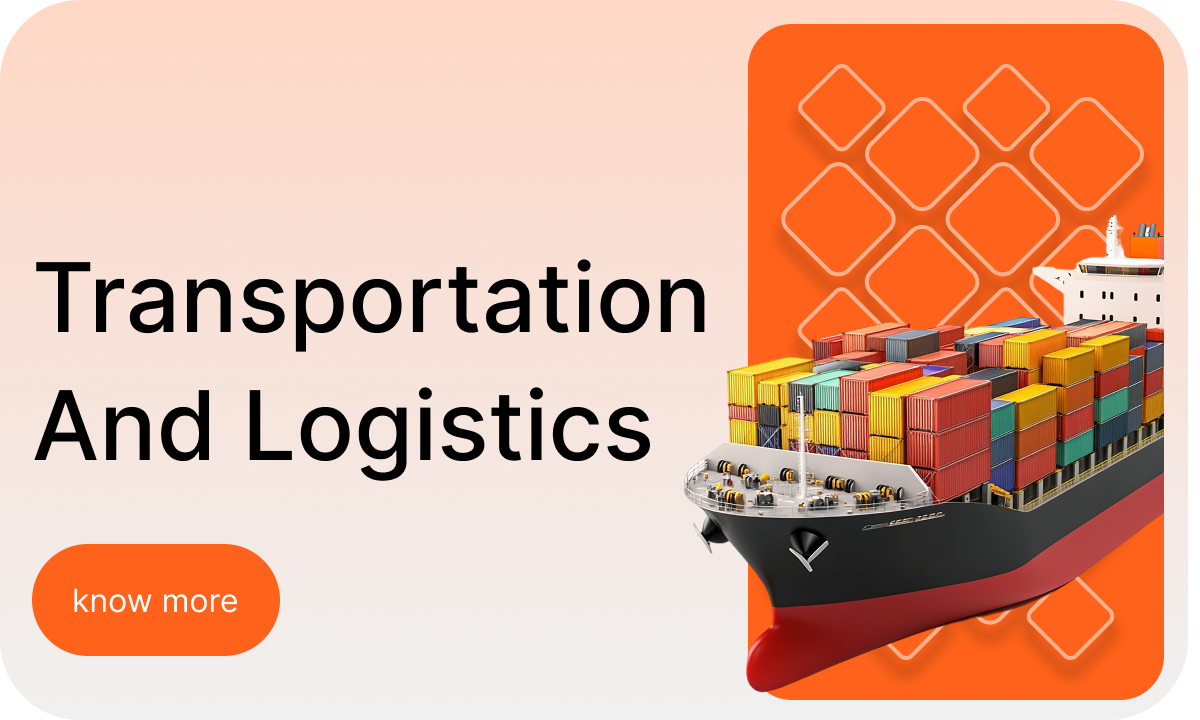
5 Problem Areas in Supply Chain Systems That Immediately Require Modernization

The economic impact of COVID-19 has severely exposed the limitations of supply chains across the world and there are 5 key areas where legacy systems are hampering the quality of these supply chain systems:

1. Reliance on manual processes for decision-making and legacy tools like excel spreadsheets to manage logistic operations.
2. Data silos that adversely affect organization’s ability to gain visibility
3. Failure to move legacy systems to a cloud-based enterprise system across the entire supply chain
4. Integration-related issues with existing logistics systems
5. Inability to facilitate the flow of real-time information

Read more

Tech-driven Healthcare Is Here – Why Everyone loves It!!

80% of healthcare companies are planning to invest more in digital healthcare over the next 5 years. Here are 5 reasons why healthcare organizations have started favoring technology over all else:

1. Improved patient care by providing real-time patient data to doctors by using personalized devices like smart wearables and ECG monitors

2. Health-related information is easily accessible to patients anytime, anywhere

3. Hospitals that make use of healthcare technology such as a CDS system that provides patient critical information to specialists’ result in fewer errors

4. Remote monitoring technologies and telemedicine services are providing patients with medical care in their homes, without the need to visit the nearest doctor

5. The shift from paper-based records to electronic medical records has reduced patient care costs by 3% while giving hospitals the ability to provide better medical care

Read more

Why the Healthcare Sector Just Can’t Seem to Quit the Legacy Systems Habit

Many hospital systems maintain fragmented administrative, clinical, and regulatory information about medical records compliance and patient data. The Result? $1 trillion is lost in waste every year – that’s a wastage of $1 for every $4 dollar spent by the US on healthcare. The gravest problems pertaining to this travesty arise within the confines of legacy systems. Some of the gravest problems are:

1) The undesired comfort factor of simply maintaining the status quo results in operational silos
2) Hindrance in Integrating with a new system or features
3) Risk aversion mentality
4) Outdated cultural hierarchy resulting in the phenomenon of hero worship

Read more

3 Reasons How Legacy Technology is Hindering Supply Chain Systems

Global supply chain systems are still reliant on a patchwork of outdated technology that struggles to meet real-world demand fluctuations. From inventory data still being tracked by excel sheets to age-old proprietary data collection systems that are costly to upgrade, legacy technology can only do very little to challenge and resolve bottlenecks within supply chain systems. As a result, legacy systems can:

1) Create a culture of risk-aversion since any form of upgradation can lead to delays
2) Turn cybersecurity into a costly affair, as a company’s supply chain systems function on a patchwork of solutions and databases that come from different vendors
3) Take away the ability of organizations to use data proactively for implementing revolutionary changes

Read more

Re-Engineering Healthcare Legacy Systems: 4 Best Practices to Follow

In 2022, legacy infrastructure and age-old application monitoring tools are still being used by 86% of companies worldwide, especially by those in the healthcare space. But using and maintaining legacy tech is becoming a monumental struggle, one that companies are slowly realizing that they will inevitably lose. Therefore, it would be in their best interests to re-engineer existing systems with agility, security, and interoperability in mind. However, to do so, these 4 vital practices must be followed to the letter:
1. Retire Unsupported Systems to Patch Out Vulnerabilities
2. Create Archives for Improved Accessibility
3. Preserve & Leverage Meta Data for Legal Purposes
4. Make the Move to the Cloud

Read more
Securing Legacy Systems in Healthcare: Maintain or Modernize

Securing Legacy Systems in Healthcare: Maintain or Modernize

Healthcare legacy systems such as outdated billing systems and disjointed laboratory information systems are still widely prevalent in most large healthcare organizations. Such legacy systems pose a huge security risk since they may contain patient-sensitive information and must be handled with a great degree of care or be outright replaced. To modernize these age-old machines here are four modernization alternatives that can garner you the best results: Replace technology with a custom-built system, move towards an IaaS solution, rebuild features from scratch or refactor your legacy code.

Read more
Top 5 symptoms to watch for if Your Enterprise System

Top 5 symptoms to watch for if Your Enterprise System/Product is Entering a State of Legacy

In our experience of re-architecting legacy systems, culture is the catalyst that drives the system towards the legacy state. To determine the susceptibility of your own organization’s descent into the legacy, we suggest combat the fear of change by adopting a product mindset, shift gears from system maintenance to modernization and finally put a pin on the culture hero worship by replacing it with a culture centered around accountability.

Read more
Top 5 Reasons that Puzzle Leaders to Decide for a Re-write of a Legacy System

Top 5 Reasons that Puzzle Leaders to Decide for a Re-write of a Legacy System

To help with this conundrum leadership teams must finalize a plan that satisfies the long-term objectives of the organization. To kickstart the plan organizations must help customers perceive the long-term value of the re-write by equipping employees with the knowledge required to pitch it to them in the best possible light. Once this is done, organizational leaders must devise a series of mental models to ensure sanity throughout the migration process for all parties involved. Finally, leaders must design rock-solid customer support strategies to handle post-production issues that might arise and to ensure customer feedback is timely addressed.

Read more

Top Five Strategies to Consider When You Can’t Re-Write your Legacy Systems

A system rewrite may not be viable either because the timing isn’t right or because it’s a matter of business case justification. But when a system rewrite is off the table, CI/CD can be utilized to streamline the code review process and continuously monitor the system’s health. You can even go a step further by rewriting sub-features to reduce technical debt, deploy microservices to better support customers and finally make a move towards a reporting solution such as a data lake to innovate on analytical requirements when the inevitable rewrite finally takes place. Adopting these strategies can help iron out the kinks in your system and restore system stability while parallelly making it fool proof against the legacy demon.

Read more

Contact Us

Partner with us for
Comprehensive IT

We’re happy to answer any questions you may have and help you determine which of our services best fit your needs.

Your Benefits
What Happens Next?
1

We Schedule a call at your convenience 

2

We do a discovery and consulting meting 

3

We prepare a proposal 

Schedule a Free Consultation